WELDING CODES REFERENCE GUIDE

Which Welding Code Applies to Your Project — And What Qualification Test Do You Need?

AWS D1.1. ASME Section IX. API 1104. AWWA. D1.6. D1.3. D1.7. Every major welding project references one of these codes — and each has its own welder performance qualification requirements, test positions, essential variables, and documentation format. This is the reference that explains all of them.

Written from 28 years of NDT industry experience. CWI-inspected mail-in testing available for all codes on this page.

✆  (404) 860-1288 Get a Quote View All Tests
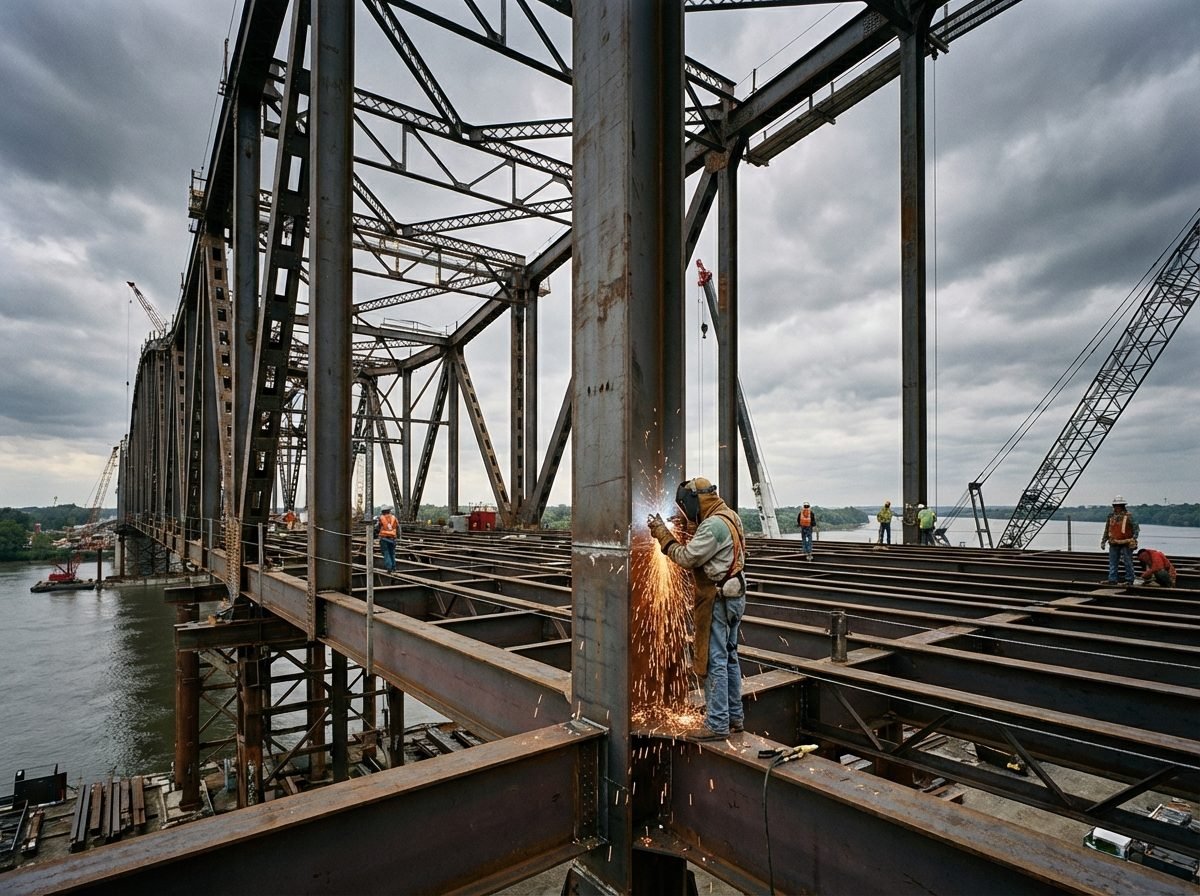
Structural steel welding on a construction project governed by AWS D1.1 Structural Welding Code
Every structural welding project references a specific welding code. The code determines what qualification test your welders need, what procedures must be in place, and what documentation the project requires.

Before a welder touches production metal on a code-governed project, two things must exist: a qualified Welding Procedure Specification (WPS) that defines how the weld is to be made, and a Welder Performance Qualification (WPQ) that proves the welder can execute it. Both must be qualified under the same code the project references.

The codes below govern the vast majority of structural, pressure, pipeline, and specialty welding work in the United States. Each has its own requirements. Understanding which code governs your work is the first step to getting your welders properly qualified.

AWS D1.1

Structural Welding Code — Steel

Published by the American Welding Society · Current edition: D1.1:2020 (D1.1:2025 released)

AWS D1.1 is the most widely used structural welding code in the world. It governs the welding of structural steel in buildings, bridges, heavy industrial structures, and fabricated steel components. If your project involves structural steel and the contract references a welding code, there is a strong probability it is AWS D1.1.

Governing Body
American Welding Society
Primary Application
Structural Steel
Base Metal
Carbon & Low-Alloy Steel
Qualification Standard
Clause 6 (WPQ)
CWI Witness Required
No — mail-in eligible
Continuity Requirement
Use process every 6 months

What AWS D1.1 Governs

D1.1 covers complete joint penetration (CJP) groove welds, partial joint penetration (PJP) groove welds, and fillet welds on structural carbon and low-alloy steel with a minimum yield strength of 100 ksi or less. It defines prequalified joint details, welding procedure qualification requirements, welder qualification requirements, inspection criteria, and repair procedures.

🏗Structural steel buildings and high-rise construction
🏛Bridge fabrication and repair
🏭Heavy industrial fabrication
Heavy equipment manufacturing
Shipyard structural welding
🔩Ironworker contractors

AWS D1.1 Qualification Positions — Plate

D1.1 Clause 6 defines four groove weld test positions for plate. Testing in a more demanding position qualifies for less demanding positions. The 3G/4G combined test is the gold standard — it qualifies all positions in one session.

Test PositionDescriptionQualifies ForUnlimited Thickness
1GFlat groove weldFlat groove + flat/horiz fillets✓ if 1" plate used
2GHorizontal groove weldFlat + horizontal groove & fillets✓ if 1" plate used
3GVertical groove weldFlat, horizontal, vertical groove & fillets✓ if 1" plate used
4GOverhead groove weldFlat, horizontal, overhead groove & fillets✓ if 1" plate used
3G + 4GCombined vertical + overheadAll positions — unlimited✓ Gold Standard

AWS D1.1 Qualification Positions — Pipe

Test PositionDescriptionQualifies For
5GPipe fixed horizontal axisAll pipe positions except 6G
6GPipe inclined 45° fixedAll pipe positions — gold standard
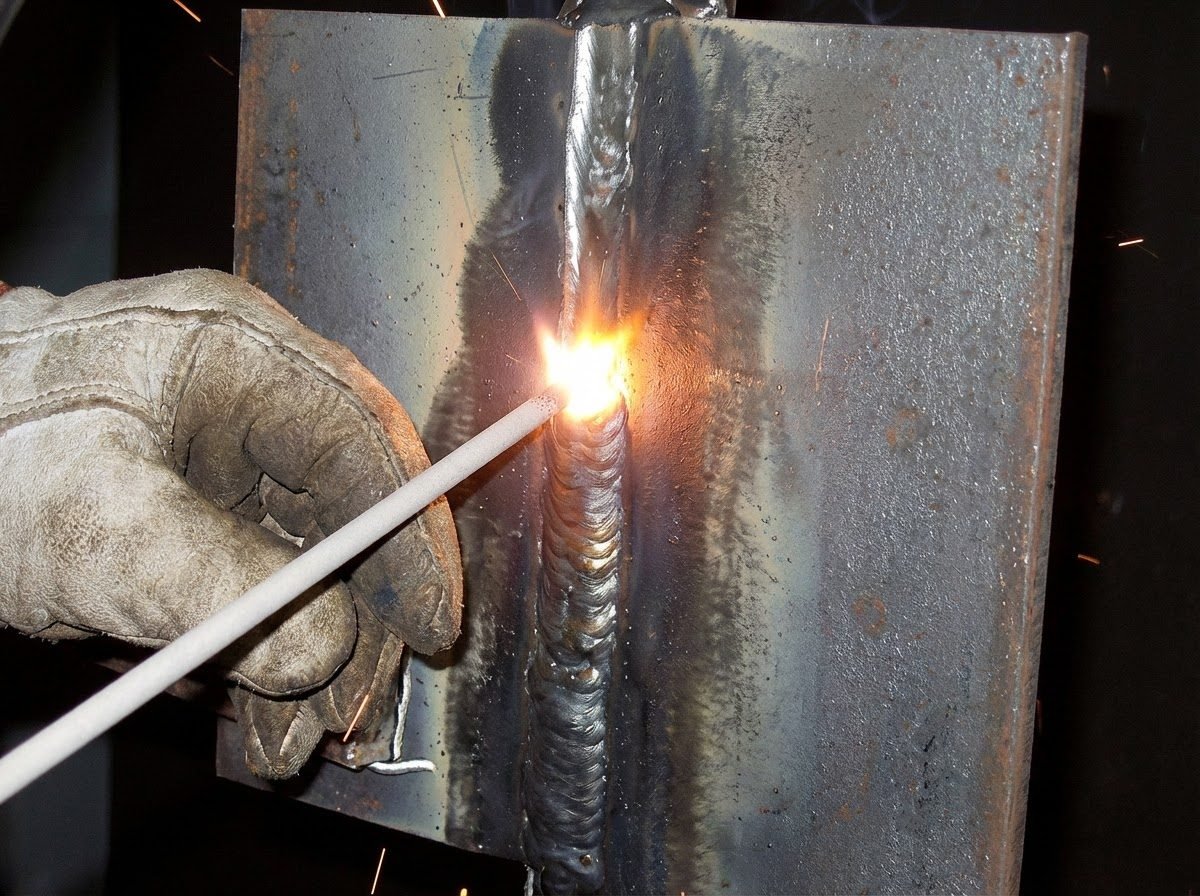
SMAW E7018 electrode welding in the 3G vertical position per AWS D1.1 Structural Welding Code
SMAW (stick) with E7018 electrodes is the most common process for AWS D1.1 plate qualification. The 3G vertical position requires uphill progression for structural steel — downhill is not prequalified for groove welds under D1.1.

D1.1 Essential Variables — What Changes Require Retesting

Change in Welding Process

A qualification with SMAW (stick) does not cover FCAW (flux-core) or GMAW (MIG). Each process requires separate qualification.

Change in Position

A 1G flat qualification does not cover vertical or overhead welding. Qualification in a harder position covers easier positions — not the reverse.

Plate vs. Pipe

Plate and pipe qualifications are separate under D1.1. A 3G/4G plate qualification does not automatically cover pipe below 24-inch OD.

Loss of Continuity

If the welder has not used the qualified process in production for more than six months, the qualification lapses and the welder must retest.

WeldCertTest Tests to D1.1: 1G, 2G, 3G, 4G, 3G/4G All-Position, 5G Pipe, 6G Pipe, and re-certification. Mail your coupon from anywhere in the US. AWS CWI #00120381 inspects every plate.
ASME IX

ASME Section IX — Welding, Brazing, and Fusing Qualifications

Published by the American Society of Mechanical Engineers · Part of the Boiler and Pressure Vessel Code

ASME Section IX is the qualification standard for welding procedures and welders working on pressure vessels, boilers, heat exchangers, and pressure piping systems. It is referenced by ASME B31.1 (power piping), ASME B31.3 (process piping), and virtually all pressure equipment governed by national codes. Where AWS D1.1 governs structural steel, ASME IX governs anything that holds pressure.

Governing Body
ASME (BPVC)
Primary Application
Pressure Equipment & Piping
Base Metal
P-Number Grouped Metals
Qualification Standard
QW-300 Series (WPQ)
CWI Witness Required
No — mail-in eligible
Continuity Requirement
Use process every 6 months

What ASME Section IX Governs

Section IX covers the qualification of welding procedures and welders for fabrication and repair of pressure-retaining items. Unlike AWS D1.1, ASME IX groups base metals into P-Numbers based on chemical and mechanical properties — a qualification on one P-Number metal covers other metals in the same group. This P-Number system is one of the most significant operational differences from structural codes.

🏭Petrochemical and refinery piping
Power plant boiler fabrication
🔥Heat exchanger manufacturing
🌡Pressure vessel fabrication
🏗Process piping (B31.3)
💧High-pressure steam systems

Key Differences: ASME IX vs. AWS D1.1

FactorAWS D1.1ASME Section IX
ApplicationStructural steelPressure equipment & piping
Base Metal SystemASTM designationsP-Number grouping system
WPS PrequalificationYes — prequalified joints existNo — all WPS must be qualified by test
Fillet Weld QualificationCovered by groove weld testSeparate fillet weld qualification or groove test
Bend Test SpecimensFace and root bendsFace, root, or side bends (side for thicker plate)
Continuity6 months6 months
No Prequalified WPS Under ASME IX: This is the most important operational difference from D1.1. AWS D1.1 has prequalified joint details that don't require a PQR test. ASME IX has no prequalified procedures — every WPS must be supported by a qualified PQR with mechanical test results. The procedure must be qualified before the welder can qualify under it.
WeldCertTest Tests to ASME Section IX: See our ASME Section IX qualification page for full coverage details, test coupon specs, and shipping instructions.
API 1104

API 1104 — Welding of Pipelines and Related Facilities

Published by the American Petroleum Institute · 22nd Edition current

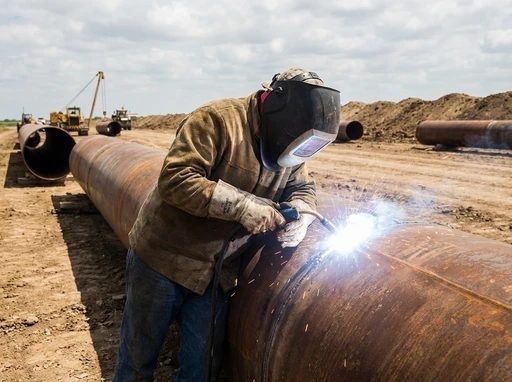
API 1104 is the standard for welding oil, gas, and liquid petroleum transmission pipelines. It governs cross-country pipelines, compressor stations, pump stations, metering facilities, and related infrastructure. Any welder performing production welds on a DOT-regulated pipeline must be qualified under API 1104.
Governing Body
American Petroleum Institute
Primary Application
Oil & Gas Pipelines
Base Metal
Carbon Steel Pipe
Qualification Standard
Section 6
CWI Witness Required
No — mail-in eligible
Test Type
Pipe coupon — guided bend
🛲Crude oil transmission pipelines
🔥Natural gas transmission lines
💧Liquid petroleum pipelines
🏭Compressor and pump stations
📊Metering and regulation facilities
🔄Pipeline tie-ins and repairs
API 1104 pipeline welder qualification test coupon for oil and gas transmission pipeline welding
API 1104 qualification uses pipe coupons welded in the qualified position. The completed coupon is sectioned and subjected to guided bend and nick-break testing per the standard's acceptance criteria.

API 1104 vs. ASME IX — Knowing Which Applies

API 1104 Applies When:

  • Welding cross-country transmission pipelines
  • DOT 49 CFR Part 192 or 195 governs the work
  • Work is on gathering, transmission, or distribution pipelines
  • Contract references API 1104 specifically

ASME IX Applies When:

  • Welding pressure piping inside a facility
  • Work is governed by ASME B31.1 or B31.3
  • Pressure vessels or boilers are involved
  • Contract references ASME BPVC
WeldCertTest Tests to API 1104: See our API 1104 Pipeline qualification page for position coverage, test coupon requirements, and shipping instructions.
AWWA C206

AWWA C206 — Field Welding of Steel Water Mains

Published by the American Water Works Association

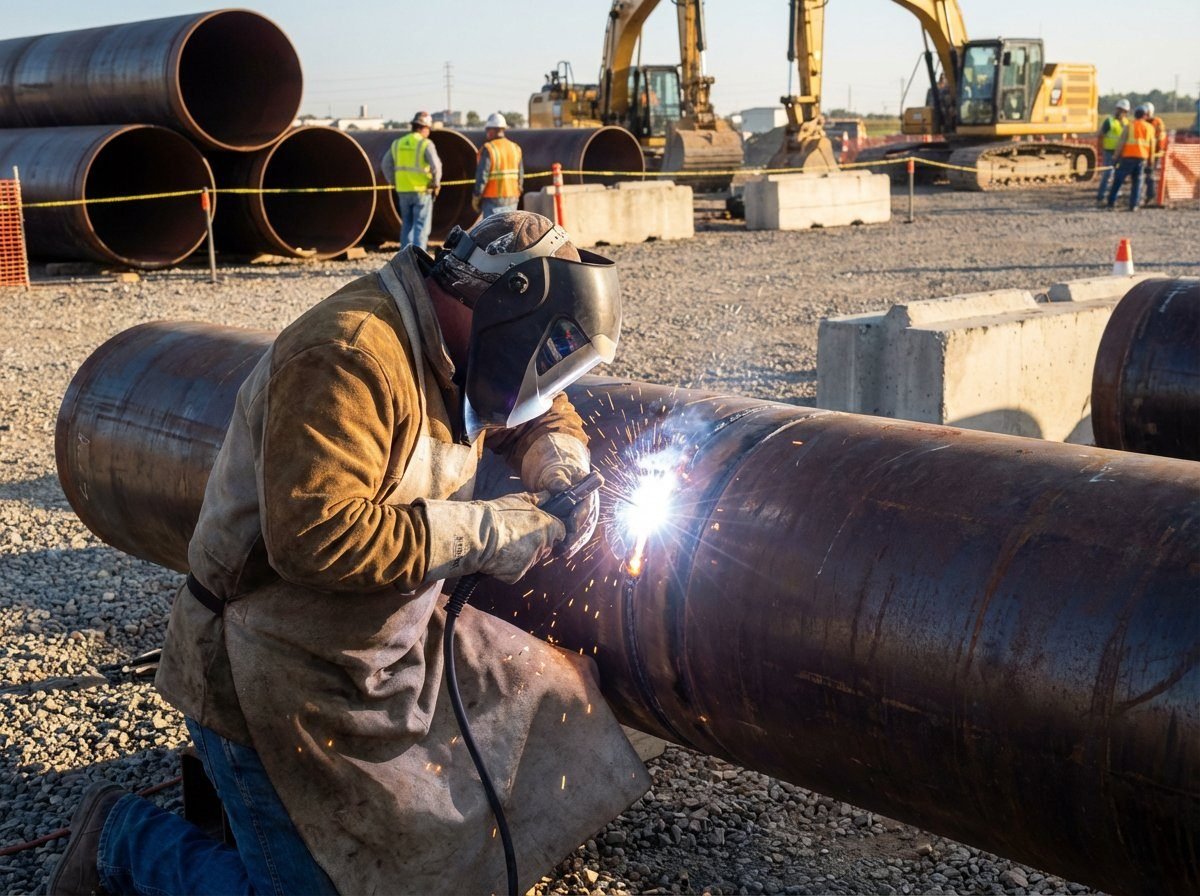
AWWA C206 governs the field welding of steel water mains — the large-diameter steel pipe used in municipal water distribution and transmission systems. Municipal contractors performing water main installation, extension, or repair work are required to qualify their welders under C206, not AWS D1.1 or API 1104.
Governing Body
American Water Works Association
Primary Application
Municipal Water Mains
Base Metal
Steel Water Pipe
Qualification Standard
Section 5
CWI Witness Required
No — mail-in eligible
Typical Diameter
6" through 144"
🛀Municipal water distribution
💧Water transmission mains
🏢City water infrastructure
🔧Water main repair contractors
🌊Large-diameter pipe installation
🏗Utility contractors
AWWA C206 water works welder qualification test for field welding of steel water mains
AWWA C206 qualification uses pipe coupons representing the joint types and pipe metallurgy found in municipal water main work. The standard accounts for field welding conditions and potable water service requirements.
WeldCertTest Tests to AWWA C206: See our AWWA Water Works qualification page for full test requirements and how to submit your coupon.
AWS D1.6

AWS D1.6 — Structural Welding Code: Stainless Steel

Published by the American Welding Society

AWS D1.6 is the structural welding code for austenitic stainless steel. It governs structural connections and fabricated assemblies made from stainless steel where both structural integrity and corrosion resistance are required. A welder qualified under AWS D1.1 for carbon steel is not qualified to weld structural stainless under AWS D1.6.

Governing Body
American Welding Society
Primary Application
Structural Stainless Steel
Base Metal
Austenitic Stainless Steel
Common Grades
304, 304L, 316, 316L
CWI Witness Required
No — mail-in eligible
Key Challenge
Heat input control

Why Stainless Steel Qualification Is Different

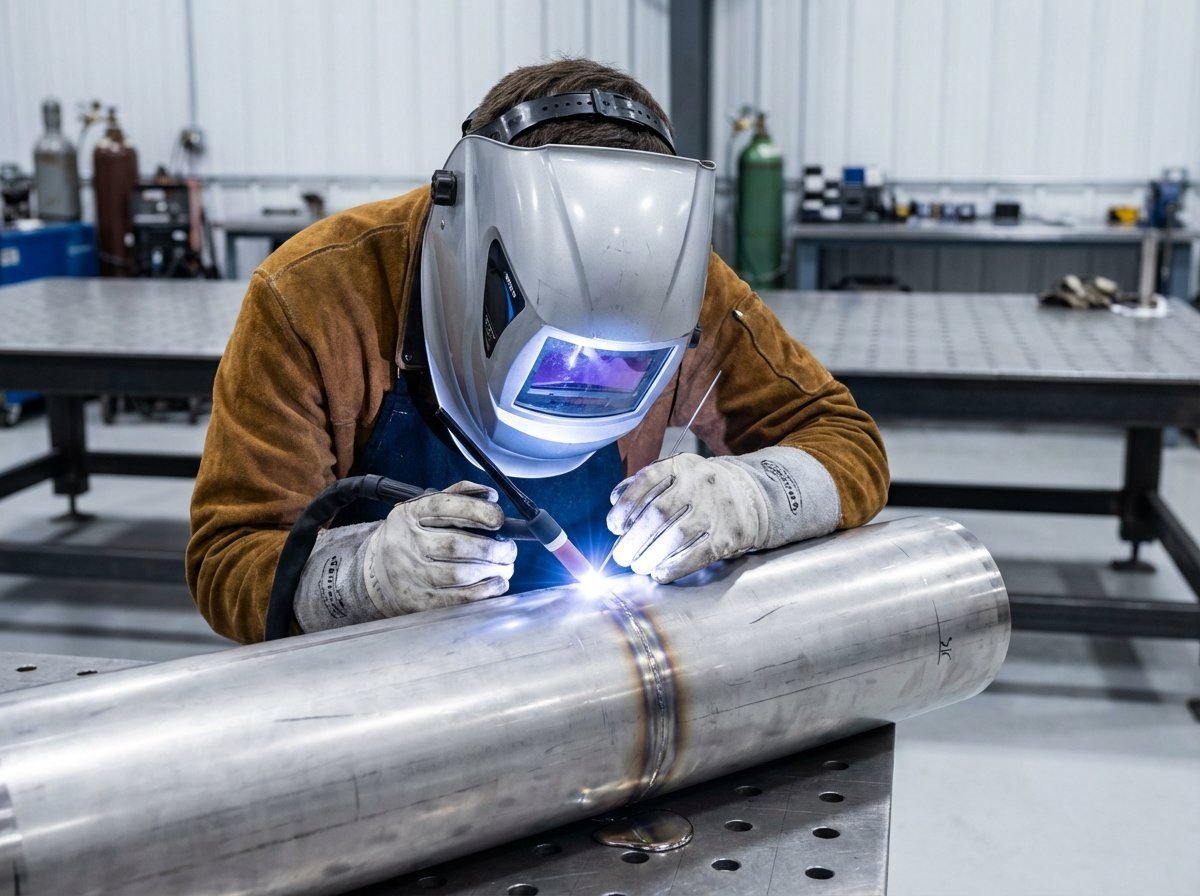
Welding austenitic stainless requires significantly different technique, filler metal, and heat management than carbon steel welding. Heat input must be controlled to prevent sensitization — carbide precipitation at grain boundaries that destroys corrosion resistance. Interpass temperature limits are strict. Filler metals (ER308L, ER316L) must match base metal chemistry. These are real technical differences — not just paperwork differences.
🍽Food processing equipment
🧪Chemical handling structures
🌊Marine structural components
🏛Architectural fabrications
💊Pharmaceutical manufacturing
🔬Clean room structures
AWS D1.6 stainless steel structural welder qualification test coupon
AWS D1.6 qualification requires stainless-appropriate filler metals and strict heat input control. Discoloration beyond light straw color on the weld and HAZ indicates excessive heat input and potential sensitization of the base metal.
WeldCertTest Tests to AWS D1.6: See our AWS D1.6 Stainless Steel qualification page for process requirements, filler metal specs, and test coupon details.
AWS D1.3

AWS D1.3 — Structural Welding Code: Sheet Steel

Published by the American Welding Society

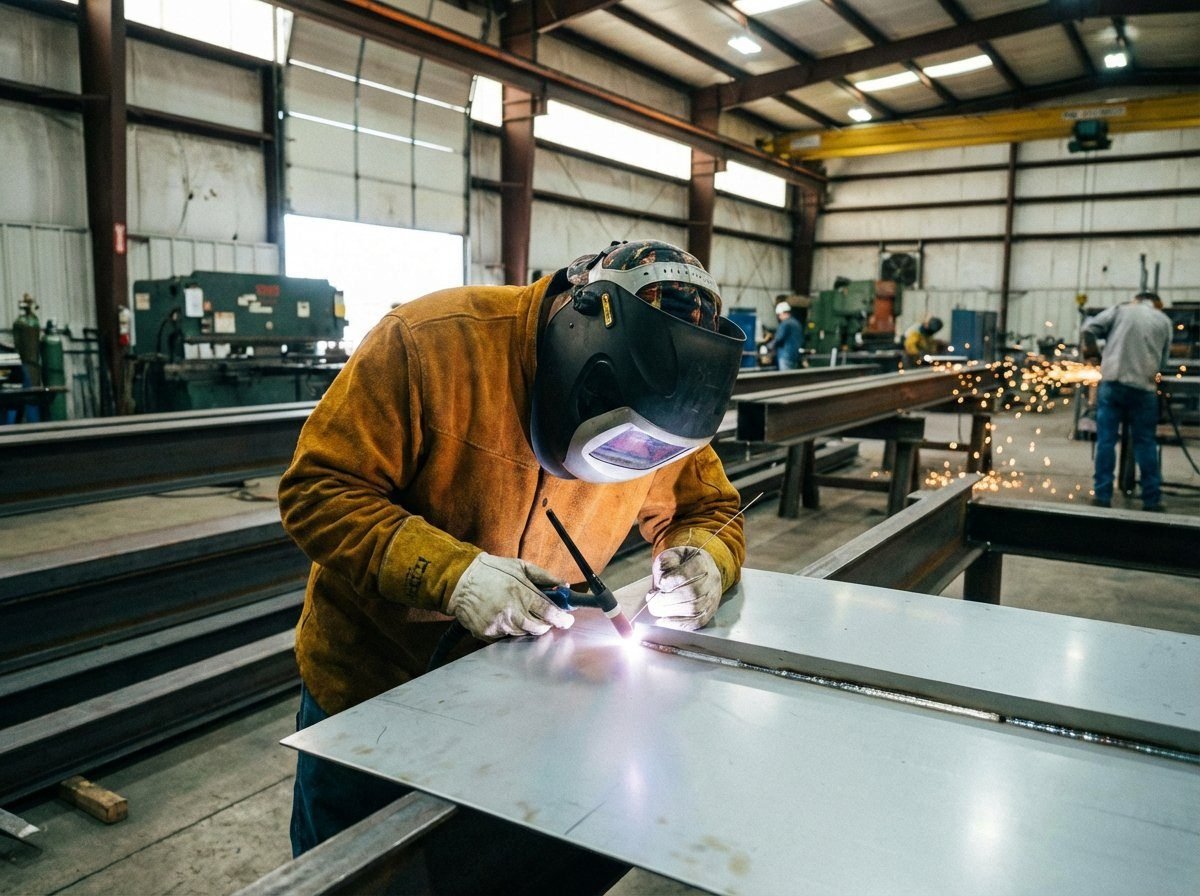
AWS D1.3 covers arc welding of structural sheet steel and strip steel — material 0.18 inches (4.5mm) thick or less — to heavier structural sections. It applies to cold-formed steel framing, steel deck, light-gauge structural connections, and other applications where thin sheet steel is welded in structural applications.
Governing Body
American Welding Society
Primary Application
Sheet & Strip Steel
Thickness Range
0.18 in. (4.5mm) or less
Common Application
Cold-formed framing, steel deck
CWI Witness Required
No — mail-in eligible
Key Challenge
Burn-through prevention
🏠Cold-formed steel framing
🏗Steel deck installation
🔩Light-gauge structural connections
🏭Metal building fabrication
🚘Automotive structural components
📦Light structural fabrication
AWS D1.3 sheet metal structural welder qualification test coupon for thin gauge steel
AWS D1.3 qualification addresses the unique challenges of welding thin sheet steel — primarily burn-through prevention, arc control on thin material, and achieving adequate fusion without distorting the base metal.
WeldCertTest Tests to AWS D1.3: See our AWS D1.3 Sheet Metal qualification page for thickness ranges, process options, and test requirements.
AWS D1.7

AWS D1.7 — Guide for Strengthening and Repairing Existing Structures

Published by the American Welding Society

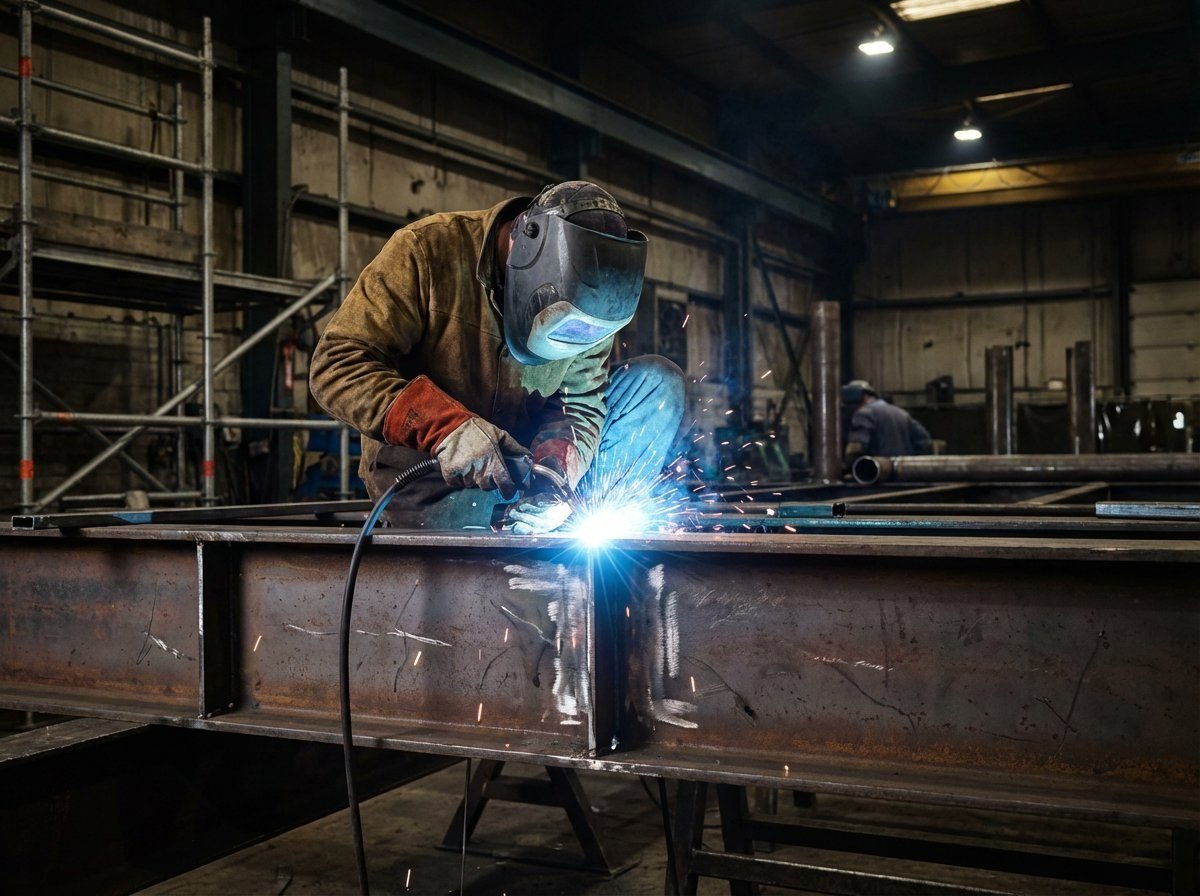
AWS D1.7 provides guidance for welding on existing structures for the purpose of strengthening or repair. It supplements the applicable construction code — typically D1.1 for structural steel — when the work involves modification or repair of an existing structure. Unknown base metal chemistry, existing stress states, and contamination from service are all addressed under D1.7.
Governing Body
American Welding Society
Primary Application
Structural Repair & Strengthening
Base Standard
Supplements AWS D1.1
Common Application
Bridge repair, building retrofit
CWI Witness Required
No — mail-in eligible
Key Consideration
Unknown base metal
🏛Bridge repair and rehabilitation
🏗Building structural retrofit
🔧Industrial structure repair
🏛Historic structure preservation
Heavy equipment structural repair
Marine structure repair
AWS D1.7 structural repair welder qualification for strengthening and repairing existing steel structures
AWS D1.7 structural repair qualification addresses the unique conditions of welding on existing steel — including unknown base metal chemistry, existing service stress states, and contamination challenges not present in new construction.
WeldCertTest Tests to AWS D1.7: See our AWS D1.7 Structural Repair qualification page for test requirements and coupon specifications.

All Codes Side by Side

Use this table to identify which code applies to your project and what type of qualification test you need.

CodeGoverned ByPrimary UseBase MetalMail-InWeldCertTest Tests
AWS D1.1American Welding SocietyStructural steel buildings, bridges, fabricationsCarbon & low-alloy steel1G–6G, all positions
ASME Section IXASME (BPVC)Pressure vessels, boilers, pressure pipingP-Number grouped metalsASME IX qualification
API 1104American Petroleum InstituteOil & gas transmission pipelinesCarbon steel pipeAPI 1104 qualification
AWWA C206American Water Works AssociationMunicipal steel water mainsSteel water pipeAWWA qualification
AWS D1.6American Welding SocietyStructural stainless steelAustenitic stainlessD1.6 qualification
AWS D1.3American Welding SocietySheet & strip steel structuralSheet steel ≤ 0.18"D1.3 qualification
AWS D1.7American Welding SocietyStructural repair & strengtheningExisting structural steelD1.7 qualification

How Mail-In Qualification Testing Works for Any of These Codes

None of the codes above require a CWI to witness the welder performing the test weld. Your welder runs the coupon at your facility under your qualified WPS, you ship it to WeldCertTest, and our AWS CWI Timothy Dodd (#00120381) performs visual inspection and coordinates accredited bend testing. Official WPQ documentation is returned to you.

1
Your welder runs the coupon at your facility under your WPS
2
You ship the coupon to Xenogenesis, LLC in Alpharetta, GA
3
AWS CWI performs visual inspection and bend testing
4
Official WPQ documentation returned to your company
✆  (404) 860-1288 Get a Quote Shipping Instructions

Glossary of Key Welding Qualification Terms

WPS — Welding Procedure Specification
A written document specifying welding variables required to produce an acceptable weld. Must be qualified before welders can test under it.
PQR — Procedure Qualification Record
The test record supporting a WPS. Contains the actual variables used during qualification testing and the mechanical test results.
WPQ — Welder Performance Qualification
The document recording a specific welder's successful test performance under a specific code and procedure. This is what project specifications require.
CWI — Certified Welding Inspector
An AWS-certified inspector qualified to perform visual inspection and oversee mechanical testing of weld coupons for qualification documentation.
Essential Variable
A change in welding condition that requires a new WPQ test. Common examples: change in process, position, or base metal group.
Guided Bend Test
The primary mechanical test for welder qualification. Specimens cut from the test coupon are bent 180° in a guided bend jig. Discontinuities exceeding code limits cause failure.
CJP — Complete Joint Penetration
A groove weld in which weld metal extends through the entire thickness of the joint. The most demanding and commonly tested weld type.
Continuity Log
Employer-maintained record documenting that a welder has used the qualified process in production at least once every six months.
P-Number
ASME grouping system for base metals with similar properties. Qualification on one P-Number metal covers other metals in the same group.
Prequalified WPS
A WPS meeting all prequalified requirements of AWS D1.1, eliminating the need for a PQR test. ASME IX has no prequalified WPS option.
F-Number
AWS and ASME grouping of filler metals. Qualification with one F-Number filler covers other filler metals in the same group.
Nick-Break Test
A destructive test used in API 1104 where a notched specimen is broken and the fracture surface examined for discontinuity size and distribution.

Frequently Asked Questions

Answers written from 28 years of NDT industry experience. If your question is not here, call (404) 860-1288.

What is the difference between AWS D1.1 and ASME Section IX?
AWS D1.1 governs structural steel welding — buildings, bridges, heavy equipment, and fabricated steel structures. ASME Section IX governs welding for pressure vessels, boilers, and pressure piping. The codes have different essential variables, different test coupon requirements, and different WPQ documentation formats. A qualification under one does not automatically satisfy the other. The application determines the code — the project specification will name it explicitly.
Which welding code does my project require?
The applicable welding code is specified in your project contract, engineering drawings, or project specification. Structural steel buildings and bridges typically reference AWS D1.1. Refineries, power plants, and pressure piping use ASME Section IX. Oil and gas pipelines use API 1104. Water main welding uses AWWA C206. Stainless steel structural work uses AWS D1.6. If you are unsure, ask your project engineer or QC manager — the code will be named explicitly in the welding specification section. Call us if you need help interpreting what you have.
Can one welder qualification test satisfy multiple codes?
No. Each welding code has its own WPQ requirements, essential variables, test coupon specifications, and acceptance criteria. A qualification under AWS D1.1 does not satisfy ASME Section IX, and vice versa. Welders who work under multiple codes must hold separate qualifications under each applicable code. This is one of the most common compliance gaps we see — a shop with D1.1-qualified welders taking on a pressure piping job without ASME IX qualifications in place.
How long does a WPQ remain valid?
Under AWS D1.1, a WPQ remains valid indefinitely as long as the welder uses the qualified process at least once every six months, documented in a continuity log the employer maintains. Under ASME Section IX and API 1104, the WPQ expires if the welder has not used the process for six months. All codes require retesting if continuity lapses. The six-month clock runs from the last date the welder used the process in production — not from the test date.
Does AWS D1.1 require the CWI to witness the welding?
No. AWS D1.1 does not require a Certified Welding Inspector to witness the welder running the test coupon. The CWI performs visual inspection of the completed weld and oversees mechanical testing. This is what makes mail-in qualification testing possible. ASME Section IX and API 1104 have the same provision. Your welder runs the coupon at your facility under your WPS, you ship it to WeldCertTest, and our CWI handles inspection and documentation.
What is a WPS and do I need one to take a qualification test?
A Welding Procedure Specification defines the welding variables — base metal, filler metal, joint design, position, preheat, interpass temperature, electrical parameters — required to produce an acceptable weld. Yes, you need a qualified WPS before a welder can test. Under AWS D1.1, you can use a prequalified WPS. Under ASME Section IX, the WPS must be supported by a qualified PQR. WeldCertTest provides a WPS with each qualification test if you need one — just mention it when you call.
What is the difference between a WPQ and an AWS Certified Welder card?
A WPQ is a company document — owned by the employer — that records a welder's successful test performance under a specific code and procedure. It is what project specifications require for compliance. An AWS Certified Welder card is a personal credential issued by the American Welding Society through their QC7 program at AWS-accredited test facilities. Projects call for WPQ records on file. WeldCertTest produces WPQ records — not AWS Certified Welder cards. Those are different things serving different purposes.
How do I know if my welder's qualification covers the project requirements?
Pull the welder's WPQ and check three things: (1) The code — it must match the project code. (2) The position — compare the test position on the WPQ against the production weld position required. A harder test position covers easier positions, not the reverse. (3) The process — SMAW qualification does not cover FCAW. If any of these don't align, the welder needs to retest. Call us with what you have and we can sort out exactly what test is needed.
What industries use API 1104 for welder qualification?
API 1104 is used by oil and gas transmission pipeline contractors, natural gas distribution companies, liquid petroleum pipeline operators, and midstream infrastructure contractors. Any welder performing production girth welds on a DOT-regulated pipeline under 49 CFR Part 192 (gas) or Part 195 (hazardous liquid) must be qualified under API 1104. If your project involves a transmission pipeline — not facility piping — API 1104 almost certainly applies.
What happens if a welder fails the qualification test?
We provide full failure documentation — visual rejection criteria, which bend specimens failed, and the measurement of rejectable discontinuities. Most codes allow an immediate retest under specific conditions: AWS D1.1 allows one immediate retest if the CWI approves; ASME Section IX allows two immediate retests; API 1104 has specific retest provisions. Call us when you receive the failure results and we will walk you through next steps for your specific code. Failure documentation is included at no additional charge.

Ready to Qualify Your Welders?

Tell us your code, position, process, and number of welders. We confirm requirements, give you pricing, and walk you through exactly what to ship. AWS CWI on every coupon. Nationwide mail-in service.

✆  (404) 860-1288 Get a Quote